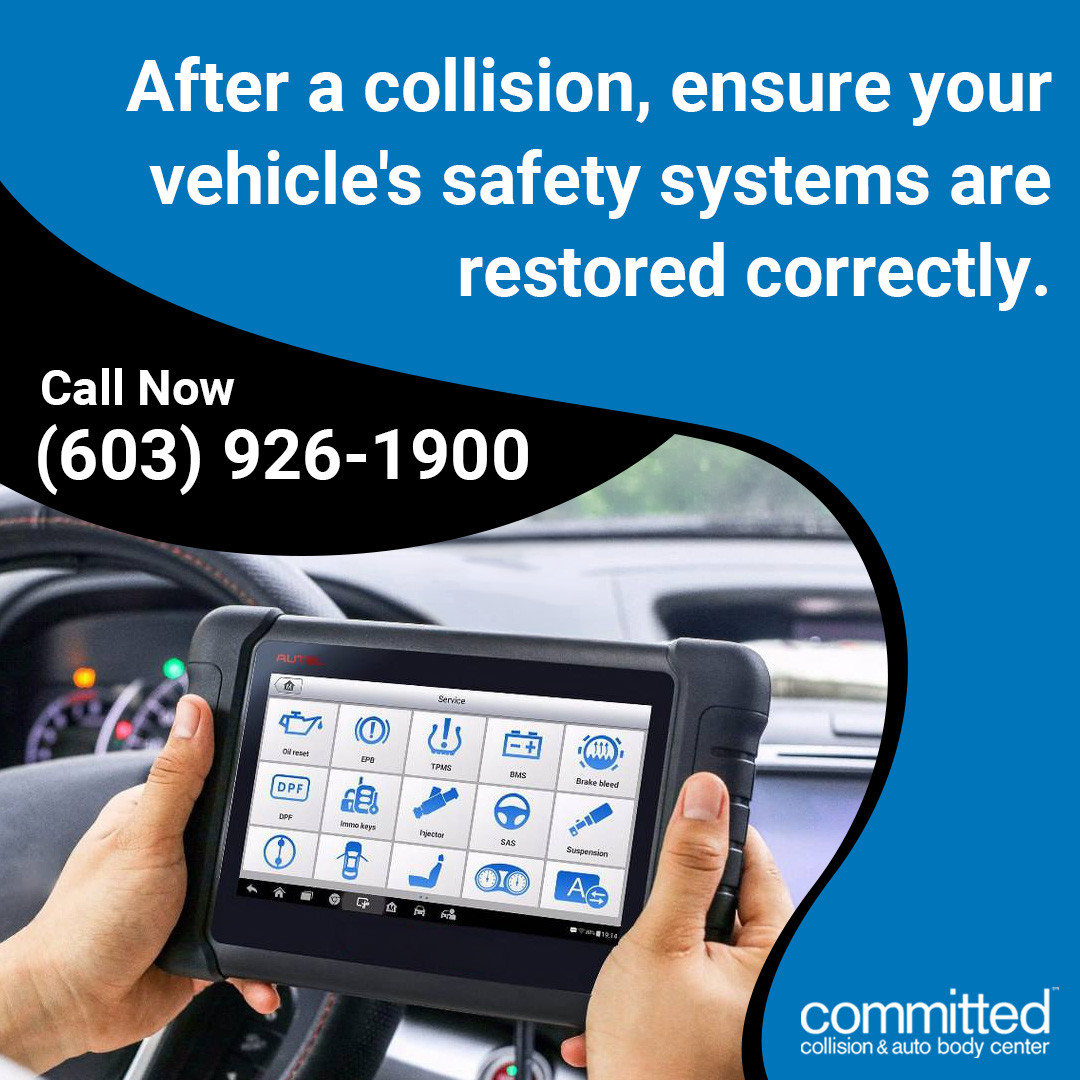
North Hampton, NH – After a crash, restoring a vehicle’s safety systems requires more than straight panels and matched paint. Committed Collision & Auto Body Center in North Hampton, NH, educates drivers on why OEM (Original Equipment Manufacturer) repair procedures are the only methods that preserve engineered crash protection, airbag timing, and driver assistance accuracy following structural damage.
Manufacturer Procedures Define Proper Restoration
OEM repair standards are the published instructions created by the vehicle manufacturer for a specific year, make, and model. These documents outline approved welding techniques, torque specifications, structural sectioning limits, material handling requirements, and component replacement rules.
These procedures are based on crash testing and engineering analysis. Crumple zones are designed to collapse in controlled patterns to absorb impact forces. If a damaged structural component is straightened when the manufacturer requires replacement, crash energy may not transfer as intended in a future collision.
In modern auto collision repair, following these documented instructions preserves the safety system as designed. Deviation from those steps can compromise structural integrity even when cosmetic repairs appear complete.
Airbag Timing and ADAS Accuracy Depend on Precision
Airbag systems deploy within 20 to 30 milliseconds after impact sensors detect a collision. This rapid response relies on sensors mounted in exact factory locations. Structural misalignment or improper sensor positioning can alter deployment timing.
Advanced Driver Assistance Systems (ADAS) add further complexity. Features such as forward collision warning, automatic emergency braking, lane departure warning, and blind spot monitoring depend on cameras and radar units positioned within millimeter tolerances.
Research from the Insurance Institute for Highway Safety shows that forward collision warning reduces front-to-rear crashes with injuries by 27 percent. That protection depends on accurate sensor placement and post-repair calibration following body collision repair. If sensors are repositioned incorrectly, recalibration may fail or produce unreliable performance.
Insurance Cost Management Is Separate from Repair Standards
Insurance carriers review repair estimates and manage claim costs. They may question labor time or suggest alternative components. Coverage decisions, however, do not replace manufacturer repair instructions.
New Hampshire law allows vehicle owners to select their repair facility. Vehicle owners seeking auto collision repair in North Hampton, NH, are not required to choose a recommended shop. Selecting a car collision repair shop that follows OEM procedures protects both vehicle value and occupant safety.
Proper restoration may require complete disassembly, structural measurement, and post-repair scanning. These steps reflect manufacturer requirements rather than optional upgrades.
Modern Vehicles Raise the Technical Bar for Repairs
Late-model vehicles contain dozens of electronic control units that manage safety and performance systems. As crash prevention systems become standard, correct restoration after collision damage becomes more critical.
Material construction also affects repair methods. Advanced high-strength steel and aluminum require specific welding and joining techniques. Applying heat where prohibited can weaken metal properties. Improper tooling on aluminum components can cause corrosion through cross-contamination.
These factors make manufacturer compliance a safety requirement, not a preference.
Documented Repair Practices Support Safer Outcomes
Committed Collision & Auto Body Center follows a documented workflow aligned with OEM procedures. The process includes disassembly to identify hidden damage, laser-based structural measurement, pre- and post-repair diagnostic scanning, and coordination of ADAS recalibration when sensor positioning is affected.
Drivers evaluating the best collision repair shop in North Hampton, NH, are encouraged to request documentation of manufacturer procedures, structural measurements, and calibration verification. Transparency in these steps reflects adherence to published repair standards.
Committed Collision & Auto Body Center Encourages Safety-Focused Decisions
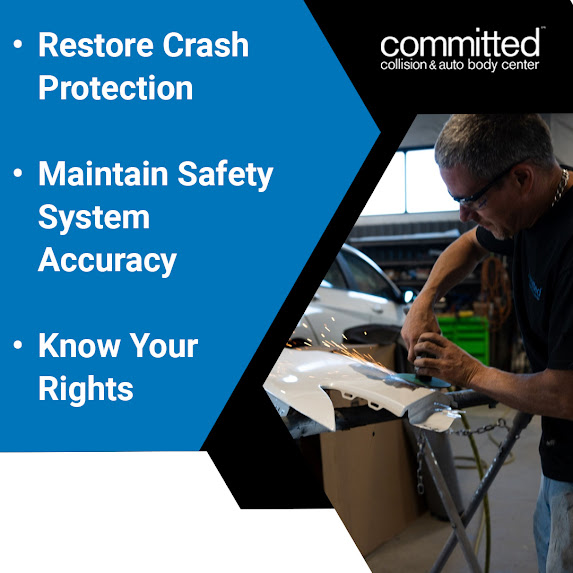
Vehicle safety systems are engineered to work together during a collision. Proper restoration preserves that coordination. Committed Collision & Auto Body Center advises late-model vehicle owners to prioritize documented OEM procedures when selecting a collision repair specialist.
Drivers can contact this collision repair specialist at (603) 926-1900 or info@committedcollision.com to schedule a free estimate and review manufacturer-based repair documentation. They serve North Hampton and surrounding communities with collision repair services focused on restoring factory safety performance.
About The Collision Center
Committed Collision & Auto Body Center is a family-owned collision repair facility. The company performs body and structural repairs using manufacturer repair procedures, structural measurement systems, and documented verification processes designed to restore factory safety standards.

